Crain’s New York Business recently published an op-ed by New York State Comptroller Thomas P. DiNapoli and Executive Director of the New York City Hospitality Alliance Andrew Rigie:
During the height of the COVID-19 pandemic, the Office of the New York State Comptroller and the New York City Hospitality Alliance both closely monitored and documented the unprecedented upheaval of the city’s restaurant industry and the difficult recovery that followed. Those analyses helped quantify what New Yorkers could already see firsthand: when restaurants struggle, the economic consequences ripple through neighborhoods across the five boroughs.
More recently, the comptroller’s office examined just how deeply the industry is tied to local economies throughout the city. The findings underscore something policymakers should pay close attention to: restaurants and bars are among New York City’s most significant neighborhood-based economic engines.
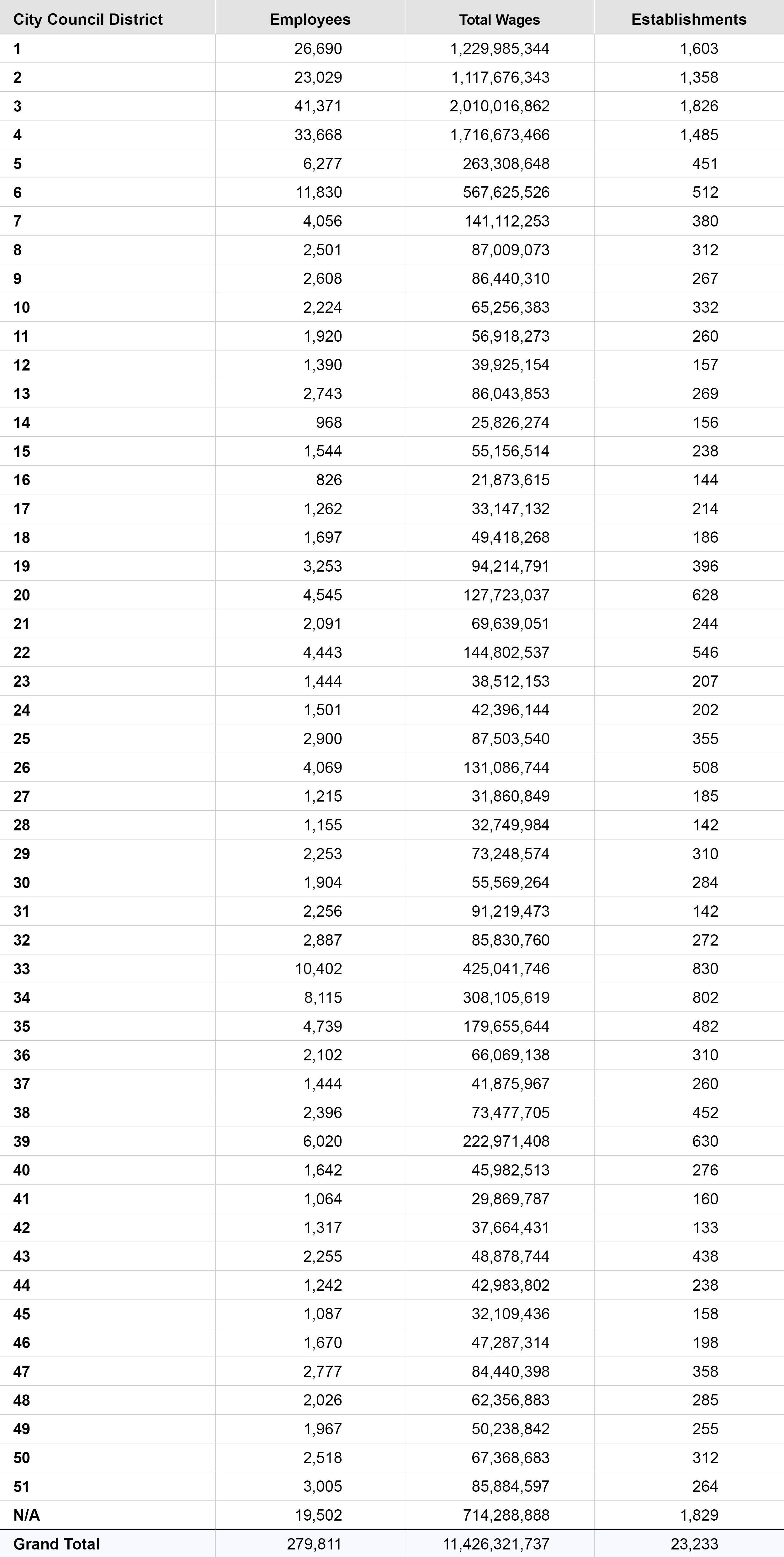
The industry employed nearly 280,000 people throughout the city in 2024, supported more than $11.4 billion in wages and generated an estimated $28 billion in economic activity. Restaurants and bars also contributed more than $2.8 billion to city coffers in fiscal year 2025, with nearly half stemming from sales taxes. These are essential figures for state and city lawmakers to consider as they budget and legislate.
Another revealing finding in the comptroller’s analysis is where that economic activity is concentrated.
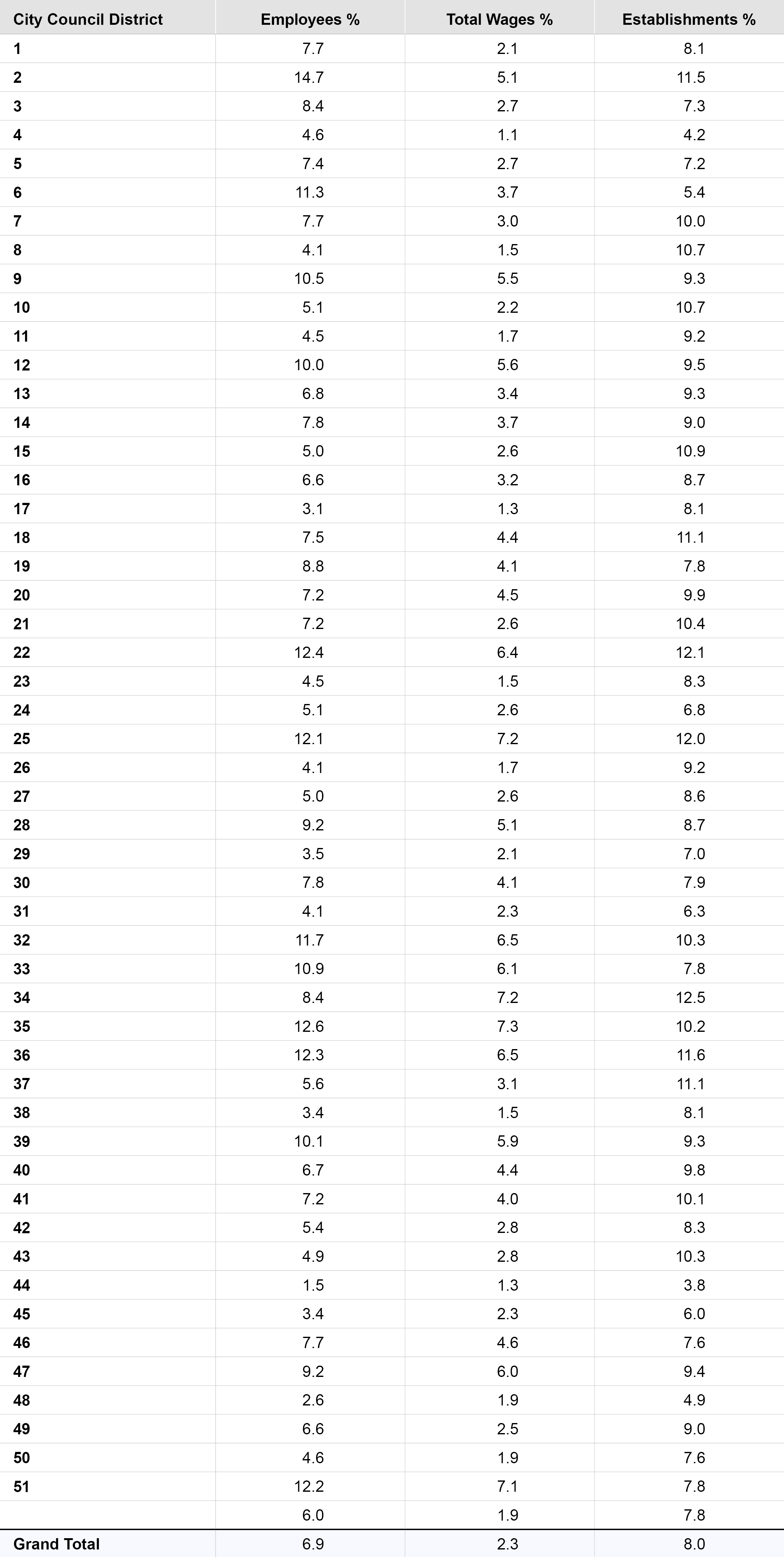
In many City Council districts outside Manhattan, restaurants and drinking places account for an outsized share of local jobs and wages. Fourteen council districts have restaurant and bar wage shares exceeding 5% of all local wages, and only two of those districts are in Manhattan. In more than a fifth of all council districts citywide, the industry also accounts for more than one in 10 local jobs. In parts of Queens, Brooklyn, Staten Island and the Bronx, the sector’s share of local wages exceeds the citywide average by a significant margin — underscoring that the industry’s economic importance extends far beyond tourism hubs and into neighborhood commercial corridors in the five boroughs.
Restaurants and bars also help animate streets, increase foot traffic, improve quality of life and public safety, and contribute to the vitality and sense of activity that make commercial corridors feel welcoming and active throughout the day and evening.
Yet despite the industry’s recovery from the pandemic, many restaurants and bars remain economically fragile.
The visibility of a small number of exceptionally successful restaurants can obscure the broader reality facing the more than 23,000 neighborhood establishments in the city. Although some high-profile venues draw strong demand and attention, many restaurants and bars are often not busy, and their customers remain highly price sensitive.
Operators continue to face rising rents, escalating insurance costs, higher food prices, inflation across nearly every operating category, increasing labor costs and fewer customers. As of April 2026, New York State Department of Labor data show New York City restaurant jobs declined in 2026, at times by roughly 9,600 jobs year over year, raising concerns about the industry’s stability.
The city depends on restaurants and bars to activate commercial corridors, employ hundreds of thousands of New Yorkers, generate billions in tax revenue, and sustain neighborhood economies. Still, businesses continually face rising economic and regulatory pressure.
What happens to restaurants and bars shapes what happens to neighborhood economies.
A healthier restaurant and nightlife industry means more jobs, stronger commercial corridors, more local spending, and more revenue supporting public services citywide. It also means preserving opportunities for entrepreneurship, upward mobility and small business growth in communities in the five boroughs.
As New York debates economic priorities and affordability challenges, policymakers should recognize that the strength of the hospitality industry is closely connected to the strength of neighborhood economies. Supporting a more stable and sustainable operating environment for restaurants and bars is not simply about protecting one industry — it is an investment in the economic vitality of communities throughout New York City.
Data on Restaurants and Dining Establishments by NYC Council District